

Introduction
Uganda’s digital landscape is changing fast. More businesses are moving online, and having a well-built website is no longer optional, it’s a necessity. From Kampala’s bustling business district to enterprises serving clients across East Africa, companies that invest in strong online presence are pulling ahead of the competition.
Think of your website as your 24/7 sales representative. It works while you sleep, introduces your brand to strangers, and either wins trust or loses it within seconds. In a market where customers increasingly Google before they buy, the quality of your website can make or break your business.
In this article, you’ll discover the top 10 most impressive business websites in Uganda right now. You’ll see what they do well, what design lessons you can borrow, and practical steps to level up your own online presence. Whether you’re just starting out or looking to redesign an existing site, this guide will give you real, actionable inspiration.
Why Business Websites Matter in Uganda
The way customers find and evaluate businesses in Uganda has shifted dramatically. A few years ago, word of mouth was king. Today, people pull out their phones and search online first. If your business doesn’t show up or shows up with a poor website you’re likely losing customers before you even know they existed.
This digital-first customer behavior is not slowing down. With internet penetration growing steadily in Uganda and mobile data becoming more affordable, more people are making purchase decisions based on what they find online. The importance of websites for businesses in Uganda has never been higher.
A professional website does much more than display contact information. It builds credibility. When a potential client visits your site and finds it polished, easy to navigate, and full of useful information, they trust you more. Trust translates directly into inquiries, sales, and long-term loyalty.
Beyond trust, websites directly impact your brand visibility. Good Uganda business websites show up in search results, attract organic traffic, and act as a hub for all your digital marketing activities. Social media posts, Google Ads, and email campaigns all drive people back to your website making it the most valuable digital asset your business owns.
In short, if you’re serious about growing your business in Uganda today, investing in a strong website isn’t a luxury, it’s a strategic necessity.
What Makes a Great Business Website
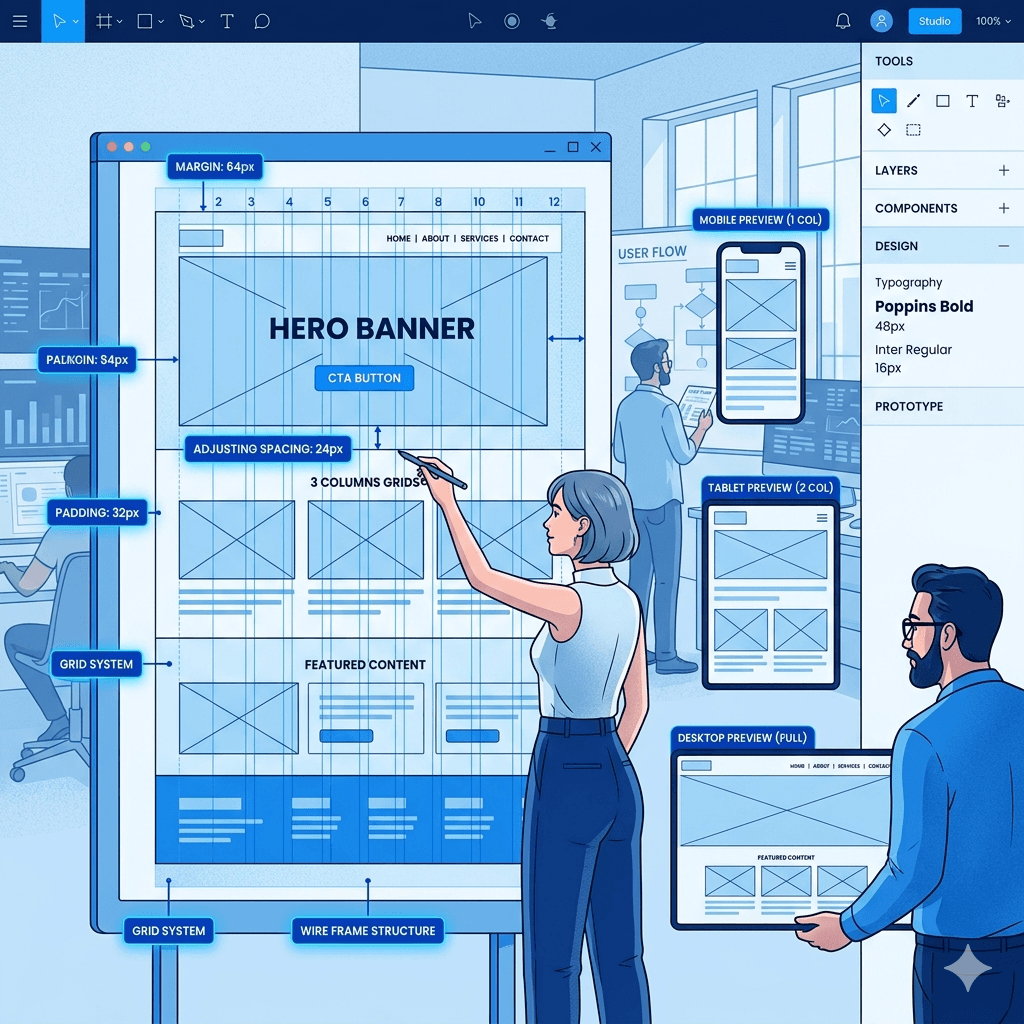
Before we look at the top sites, it helps to understand what separates a great website from a mediocre one. These are the core principles that the best professional websites in Uganda consistently get right.
Clean and Modern Design: A website that looks cluttered or outdated immediately signals that a business might not be keeping up with the times. Modern web design in Uganda favors clean layouts, plenty of white space, and a clear visual hierarchy. Less is often more. You can learn more about the principles behind effective Web Design and how it applies to local businesses.
Mobile Responsiveness: Most Ugandans browse the internet on their phones. A website that looks great on desktop but breaks on mobile loses the majority of its potential visitors. Responsive websites in Uganda adapt automatically to any screen size, giving every user a seamless experience.
Clear Navigation and User Experience: Think of your website like a well-organized shop. Visitors should always know where they are, where to go next, and how to contact you. Good UX design examples on Ugandan websites make it effortless to find information without frustration.
Strong Branding and Visual Identity: Your website should look like it belongs to your brand. Consistent use of colors, fonts, and imagery creates recognition and professionalism. Corporate branding websites in Uganda that nail this tend to leave lasting impressions on visitors.
These features of a good business website form the foundation of everything we see in the top sites listed later in this article.
Key Features of High-Performing Ugandan Websites
Beyond good looks, high-performing Ugandan business websites share a set of technical and strategic features that keep them competitive.
Fast Loading Speed: Speed matters. Research shows that users abandon websites that take more than three seconds to load. For Ugandan audiences often on mobile data connections, a slow site is a silent killer for business. Optimizing images, using reliable hosting, and minimizing unnecessary code all contribute to speed.
Local Relevance in Content and Imagery: The best website design companies in Uganda understand the importance of local context. Using imagery that reflects Ugandan people, landscapes, and culture creates an instant connection with local audiences. Generic stock photos from overseas can feel distant and impersonal.
Integration of Contact Forms and WhatsApp: WhatsApp is deeply embedded in how Ugandans communicate. Adding a WhatsApp chat button to a business website makes it incredibly easy for customers to reach you. Combined with a clean contact form, these tools reduce friction and increase conversions.
SEO and Search Visibility: A beautiful site that nobody finds is like a signpost in a forest. SEO for business websites in Uganda ensures your site appears when potential customers search for your products or services. Good on-page SEO, fast loading, and quality content all contribute to better rankings. Explore professional SEO Services to see how this works in practice.
Top 10 Most Impressive Business Websites in Uganda
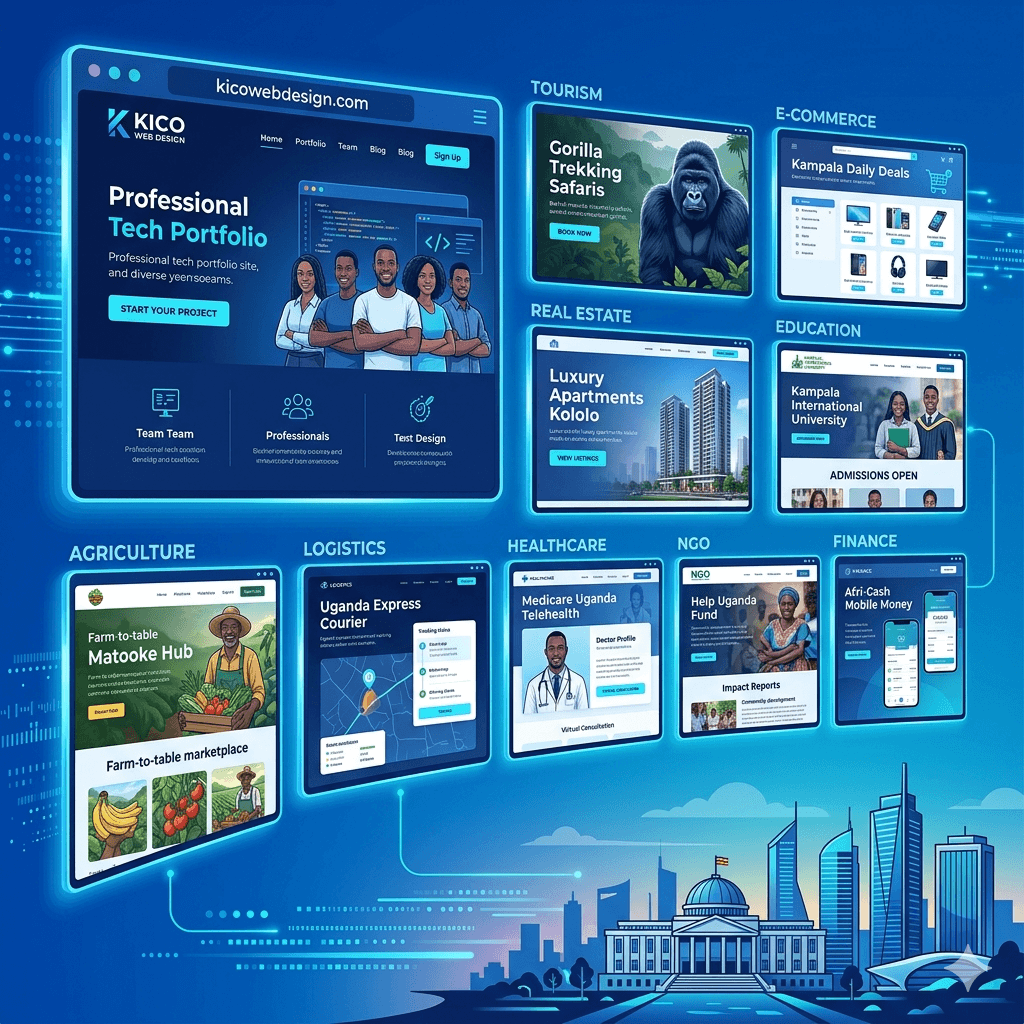
Selecting the top 10 best business websites in Uganda wasn’t easy. There are genuinely many impressive sites out there. The selection criteria focused on design quality, mobile usability, brand consistency, loading performance, and overall user experience. These are the Ugandan company websites that consistently stand out from the crowd.
For real examples of what high-quality local web projects look like, you can browse the Portfolio of completed projects to see Ugandan website design examples in action.
Stanbic Bank Uganda (www.stanbicbank.co.ug)
Stanbic Bank’s website is one of the most polished corporate websites in Uganda. The design is clean, professional, and instantly communicates stability and trust exactly what you want from a financial institution. The homepage loads fast, and users can quickly find what they need, whether it’s personal banking, business accounts, or loan products. Navigation menus are logically structured, and the mobile experience is smooth. The consistent use of blue and white reinforces the brand identity across every page.
MTN Uganda (www.mtn.co.ug)
MTN Uganda’s site is a masterclass in handling a wide range of products and services without overwhelming the user. The bold yellow branding is instantly recognizable, and the layout guides users intuitively toward the information they need be it mobile money, data bundles, or enterprise services. The site performs well on mobile, which is critical given MTN’s mobile-first customer base. It’s a strong example of how large Ugandan businesses can manage complex digital ecosystems with clarity.
Airtel Uganda (www.airtel.co.ug)
Airtel Uganda’s website balances visual energy with clear user journeys. The site does a great job of showcasing promotions and products on the homepage without making it feel cluttered. Red is used boldly and effectively throughout, ensuring brand consistency. The site’s structure makes it easy to compare data bundles, find customer service options, and learn about new offerings. It’s a solid example of responsive websites in Uganda done right.
Uganda Airlines (www.ugandaairlines.co.ug)
Uganda Airlines has invested in a genuinely impressive digital presence. The website feels modern and aspirational, befitting a national carrier. The flight booking interface is user-friendly, and the site’s use of high-quality photography celebrating Ugandan culture and landmarks adds a sense of pride and local identity. The visual storytelling is strong, and the overall experience communicates that Uganda Airlines is serious about its brand on the global stage.
Jumia Uganda (www.jumia.co.ug)
Jumia Uganda demonstrates what a high-performing e-commerce website looks like in the local market. The site loads quickly despite the large volume of products, and the search and filtering functionality makes finding products effortless. The checkout process is streamlined, and the mobile experience is optimized essential for a market where most shoppers use phones. Jumia is the benchmark for business website usability best practices in the e-commerce space in Uganda.
Dfcu Bank (www.dfcugroup.com)
Dfcu Bank’s website strikes a balance between modern aesthetics and professional banking communication. The site uses clean typography, quality imagery, and a logical content structure that makes it easy for both retail and business clients to find what they need. The homepage communicates the bank’s values clearly and quickly. It’s a fine example of how financial institutions in Uganda can use web design to build confidence and trust among their clientele.
Nation Media Group Uganda (www.monitor.co.ug)
The Daily Monitor website, operated by Nation Media Group, is one of the best media websites in Uganda. It manages the challenge of publishing large volumes of fresh content while keeping the site organized and readable. The design prioritizes readability with good use of fonts and spacing. Navigation by category, trending stories, and featured content make it easy for users to dive into the news they care about. It also performs reasonably well on mobile, a critical metric for a news platform.
Absa Bank Uganda (www.absabank.ug)
Absa Bank Uganda’s website benefits from the international brand’s global standards while maintaining local relevance. The site is visually clean with a strong color identity red used confidently without overwhelming the design. Clear calls-to-action guide users toward opening accounts, applying for loans, or accessing digital banking. The UX is well thought out, with a website feature checklist that most business owners could learn from: clear value propositions, easy navigation, and fast performance.
Nile Breweries (www.nilebreweries.com)
Nile Breweries operates one of the more visually distinctive corporate websites in Uganda. The site uses bold photography, strong brand colors, and a dynamic layout that brings the brand’s energy to life online. The storytelling approach focusing on brand heritage, sustainability, and community sets it apart from the typical product-focused corporate site. It’s excellent Uganda web design inspiration for businesses that want their website to communicate more than just what they sell.
Uganda Investment Authority (www.ugandainvest.go.ug)
The Uganda Investment Authority website represents one of the strongest examples of a government institution using its digital presence effectively. The site is well-organized, informative, and clearly aimed at attracting both local and foreign investors. Resources, reports, and investment guides are well-presented and accessible. The professional, data-rich design reflects the seriousness and ambition of Uganda’s investment promotion efforts. It’s a reminder that even institutional websites can lead with strong design and UX principles.
Design Lessons from These Websites

Looking across all ten of these top Ugandan company websites, clear patterns emerge. These are not coincidences, they are deliberate design decisions that drive results.
Common Design Patterns Across Top Sites: Every single one of these sites is mobile-responsive. They all load within acceptable time limits. They use consistent color palettes tied to their brand identity. And they all have clear, prominent calls-to-action buttons or links that tell users exactly what to do next.
What Businesses Can Replicate Easily:
• Use two to three brand colors consistently across every page.
• Place your most important action (contact, buy, book) prominently above the fold.
• Use quality photography that reflects your actual customers and environment.
• Keep navigation menus to five to seven items maximum to avoid overwhelming visitors.
Mistakes to Avoid: The most common mistakes on Ugandan business websites include using too many fonts (stick to two), neglecting mobile optimization, ignoring page speed, and burying contact information deep in the site. A website without a clear call-to-action is like a shop with no checkout counter. Visitors simply leave without doing anything.
How to Build a High-Quality Business Website
Understanding how to design a business website in Uganda doesn’t have to feel overwhelming. Breaking it into clear steps makes the entire process manageable.
Step 1: Define Goals and Target Audience
Before a single design decision is made, get clarity on what your website needs to achieve. Is it generating leads? Selling products? Building brand awareness? Who are your ideal customers and what do they need when they land on your site? Answering these questions shapes every subsequent decision.
Step 2: Choose a Platform or Developer
For small business websites in Uganda with tight budgets, platforms like WordPress offer great flexibility and affordability. For more complex projects, working with a professional local web developer ensures you get a site tailored precisely to your needs. The right choice depends on your budget, technical comfort, and how much customization you require.
Step 3: Focus on UX and Mobile Design
Given that most of your visitors will be on mobile, design for mobile first. Prioritize clean layouts, large tap targets, and fast-loading pages. The user journey from landing page to contact or purchase should be intuitive and friction-free.
Step 4: Optimize for SEO and Speed
Building SEO into your website from the start is far easier than retrofitting it later. Use descriptive page titles, write quality content, optimize images, and ensure your site loads quickly. For a deeper dive into this, the SEO Guide for small businesses covers every important step in clear, practical detail.
Step 5: Test and Improve Continuously
Launching your site is not the finish line, it’s the starting gun. Use tools like Google Analytics to see how visitors behave, which pages perform well, and where people drop off. Regular updates, fresh content, and periodic design refreshes keep your site relevant and competitive.
Cost of Building a Business Website in Uganda
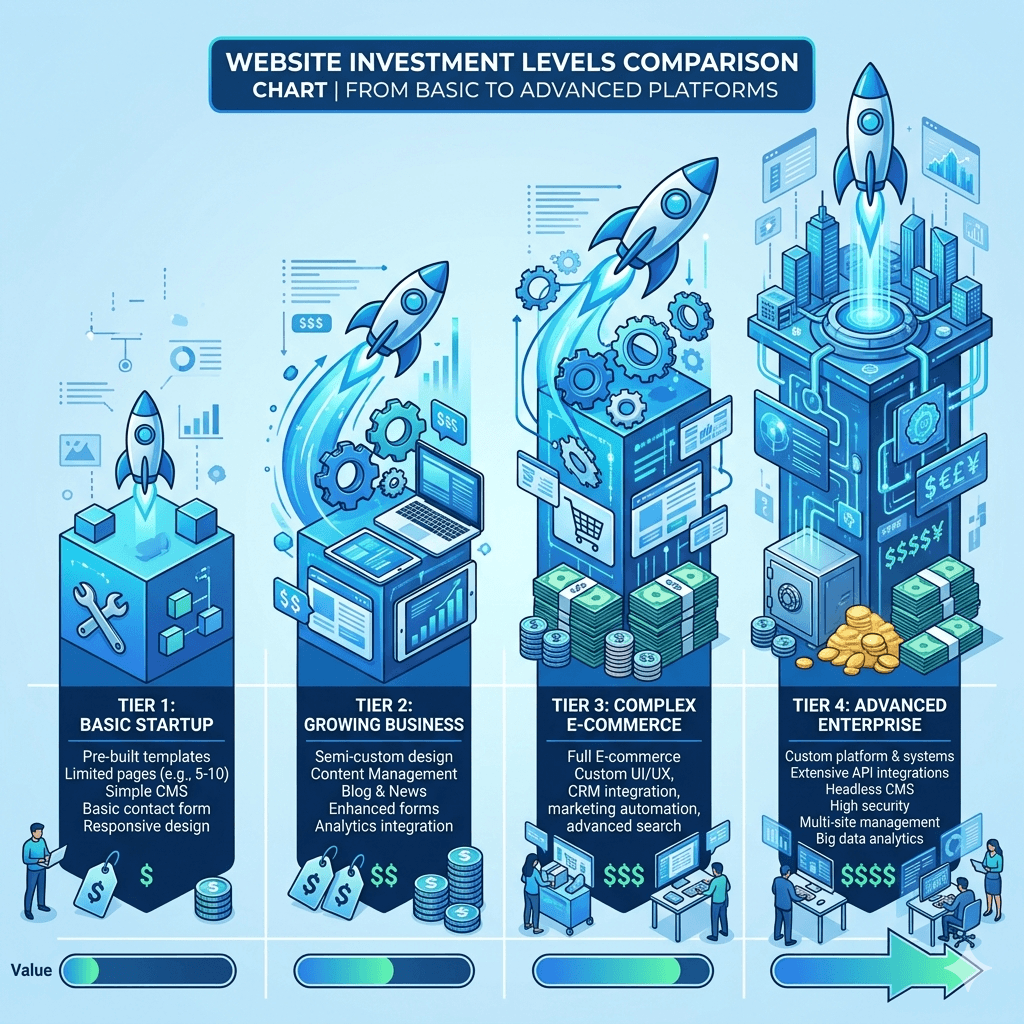
One of the most common questions entrepreneurs ask is: how much does affordable website design in Uganda actually cost? The answer depends on several factors.
Factors Affecting Pricing: The complexity of the design, the number of pages, whether e-commerce functionality is needed, and the level of ongoing support all affect the final cost. A simple brochure website for a small business costs significantly less than a full e-commerce platform or a custom corporate site.
Basic vs Advanced Website Costs: In Uganda, a basic professional website typically ranges from UGX 1,500,000 to UGX 4,000,000. A more advanced site with custom design, SEO setup, and multiple integrations can range from UGX 5,000,000 upwards, depending on the scope and agency.
The Value of Investing in Quality: Cutting corners on your website often costs more in the long run. A poorly built site requires constant fixes, loads slowly, and fails to convert visitors. Investing in quality design from the start delivers better returns through increased trust, more leads, and better search visibility.
Future Trends in Ugandan Web Design
Modern web design trends in Uganda are evolving quickly. Staying aware of what’s coming helps businesses plan smarter investments in their digital presence.
Rise of Mobile-First Design: Mobile-first is no longer a trend, it’s the baseline standard. As smartphone penetration continues to grow in Uganda, websites that aren’t optimized for mobile will fall further behind. Expect even more emphasis on lightweight, fast-loading designs built for low-bandwidth environments.
Increased Use of AI and Automation: AI-powered chatbots, automated customer service tools, and smart content personalization are beginning to appear on forward-thinking Ugandan business websites. These tools reduce workload while improving the customer experience, a powerful combination for growing businesses.
Growing Importance of UX and Personalization: Users increasingly expect websites to feel tailored to them. Personalized content, location-aware features, and adaptive user journeys will become more common. Combined with a strong Digital Marketing strategy, UX-focused websites will be at the center of business growth in Uganda’s digital economy.
Conclusion
Uganda’s digital business landscape is maturing fast, and the websites leading the way share clear, actionable qualities. They’re clean, fast, mobile-friendly, and built with the user’s journey in mind. Whether it’s a national bank, a telecom giant, or an e-commerce platform, the best Ugandan company websites all invest seriously in their online presence.
The good news is that you don’t need a massive budget to build something impressive. You need clarity of purpose, attention to design fundamentals, and a commitment to continuous improvement. Start by defining what you want your website to achieve. Then build it well, optimize it for search, and keep improving it over time.
Your website is often the first handshake between your business and a potential customer. Make it count. The examples in this article prove that impressive, effective business websites in Uganda are absolutely achievable and the businesses that invest in them are reaping real rewards.
Frequently Asked Questions
What makes a business website successful in Uganda?
A successful business website in Uganda combines fast loading speed, mobile responsiveness, clear navigation, strong branding, and locally relevant content. It should also have a clear call-to-action and be optimized for search engines so potential customers can find it.
How much does it cost to build a website locally?
Website costs in Uganda vary depending on complexity. A basic professional website typically starts from around UGX 1,500,000. More advanced websites with custom design, e-commerce functionality, or integrations can cost UGX 5,000,000 or more.
Do small businesses really need a website?
Absolutely. Even a simple, well-built small business website in Uganda helps you reach more customers, build credibility, and compete with larger brands. Many customers check online before making purchasing decisions, and not having a website means missing out on those opportunities.
How long does it take to build a website?
A basic website typically takes two to four weeks to complete. A more complex website with custom design, multiple integrations, or e-commerce functionality can take six to twelve weeks. The timeline depends on how quickly content and feedback are provided.
What platform is best for beginners?
WordPress is widely considered the most beginner-friendly platform for building business websites in Uganda. It’s flexible, widely supported, and has thousands of themes and plugins. Wix and Squarespace are also options for very simple sites, though they offer less flexibility as your needs grow.
How can I improve my website’s SEO?
Start with the basics: use clear page titles and descriptions, write quality content that answers what your customers search for, ensure your site loads fast, and build quality backlinks from other websites. Consistent publishing of helpful content and technical optimization both contribute significantly to better rankings.
What are common mistakes Ugandan businesses make online?
The most common mistakes include neglecting mobile optimization, using low-quality or irrelevant stock photos, failing to update content regularly, hiding contact information, and ignoring site speed. Many businesses also forget to set up Google Analytics, which means they have no data to make informed improvements.
Is mobile optimization important for local websites?
It’s absolutely critical. The majority of internet users in Uganda browse on mobile devices. A website that doesn’t display or function properly on a smartphone will lose most of its visitors immediately. Mobile optimization is not optional, it’s one of the most important investments you can make.
Can I update my website myself after it is built?
Yes, especially if it’s built on a platform like WordPress. With basic training, most business owners can update text, images, and blog posts themselves. For more complex changes like new page layouts or functionality additions, it’s best to consult your developer.
How do I attract customers through my website?
Attracting customers requires a combination of SEO to rank in search results, quality content that answers their questions, and clear calls-to-action that guide them toward contacting you or making a purchase. Integrating tools like WhatsApp chat buttons and contact forms makes it easy for visitors to take the next step. Consistently sharing your website on social media and through digital advertising also drives traffic over time.