

Introduction
Building a website for your business today feels both exciting and overwhelming. There are so many options out there that choosing the right one can feel like picking a phone from a hundred models on a shelf. Do you go with something quick and easy, something powerful and flexible, or something built just for you?
In Uganda, more businesses are going online every day. Whether you run a salon in Kampala, a logistics company in Mbarara, or a startup with big dreams, your website is often the first place customers find you. So the platform you choose matters more than most people think. Our web design guide for Uganda covers how that choice fits the rest of the project.
The three most common options you will hear about are Wix, WordPress, and custom website design. Each one has its strengths, its weaknesses, and the right audience. This guide breaks down what each option is, what it costs, and which one makes the most sense for your situation right here in Uganda.
What Is Wix?
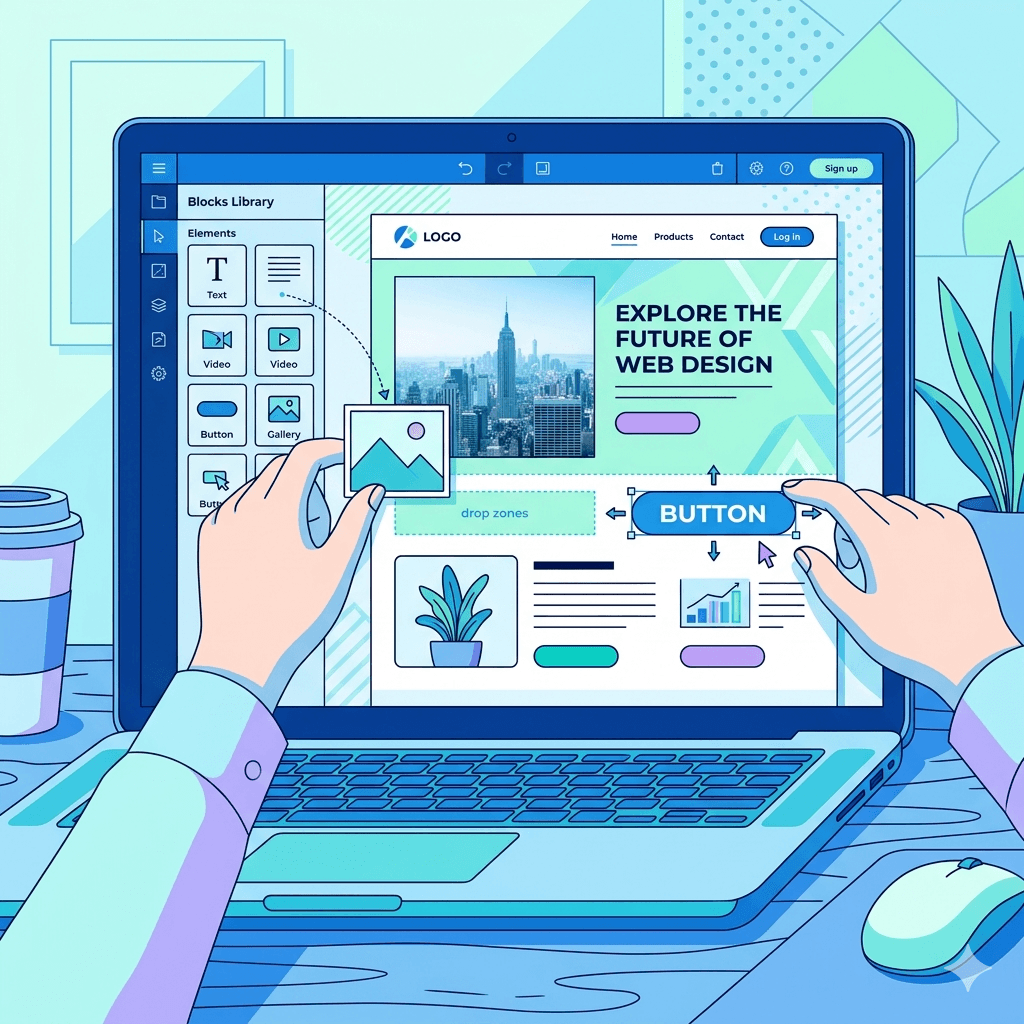
Wix is a cloud-based website builder that lets you create a website without writing a single line of code. Think of it like building with LEGO blocks. You pick a template, drag elements where you want them, and your site is live within hours.
Wix was launched in 2006 and has grown to serve over 230 million users globally. It handles everything for you, including hosting, security updates, and technical maintenance. All you need to do is sign up, choose a plan, and start designing.
For small businesses, bloggers, and entrepreneurs who want a professional online presence without hiring a developer, Wix is a popular starting point. It offers hundreds of templates, built-in apps for bookings, eCommerce, and contact forms, and a beginner-friendly interface that most people can figure out in a single afternoon.
In short, Wix is the drag-and-drop website builder that trades deep flexibility for ease of use.
What Is WordPress?
WordPress is the world’s most popular content management system, or CMS. It powers over 43% of all websites on the internet, from personal blogs to major news outlets. Unlike Wix, WordPress is not a hosted platform. You download the software, install it on your own web hosting server, and build from there.
WordPress comes in two versions. WordPress.com is a hosted version similar to Wix. WordPress.org is the self-hosted, open-source version that gives you full control over your website. Most developers and serious website owners use WordPress.org.
The power of WordPress lies in its flexibility. With thousands of free and premium themes, plus over 59,000 plugins, you can build almost anything, from a simple blog to a complex online store.
That flexibility comes with a learning curve, though. WordPress requires a bit more technical know-how than Wix, but it rewards that effort with scalability and control that Wix simply cannot match.
What Is Custom Website Design?
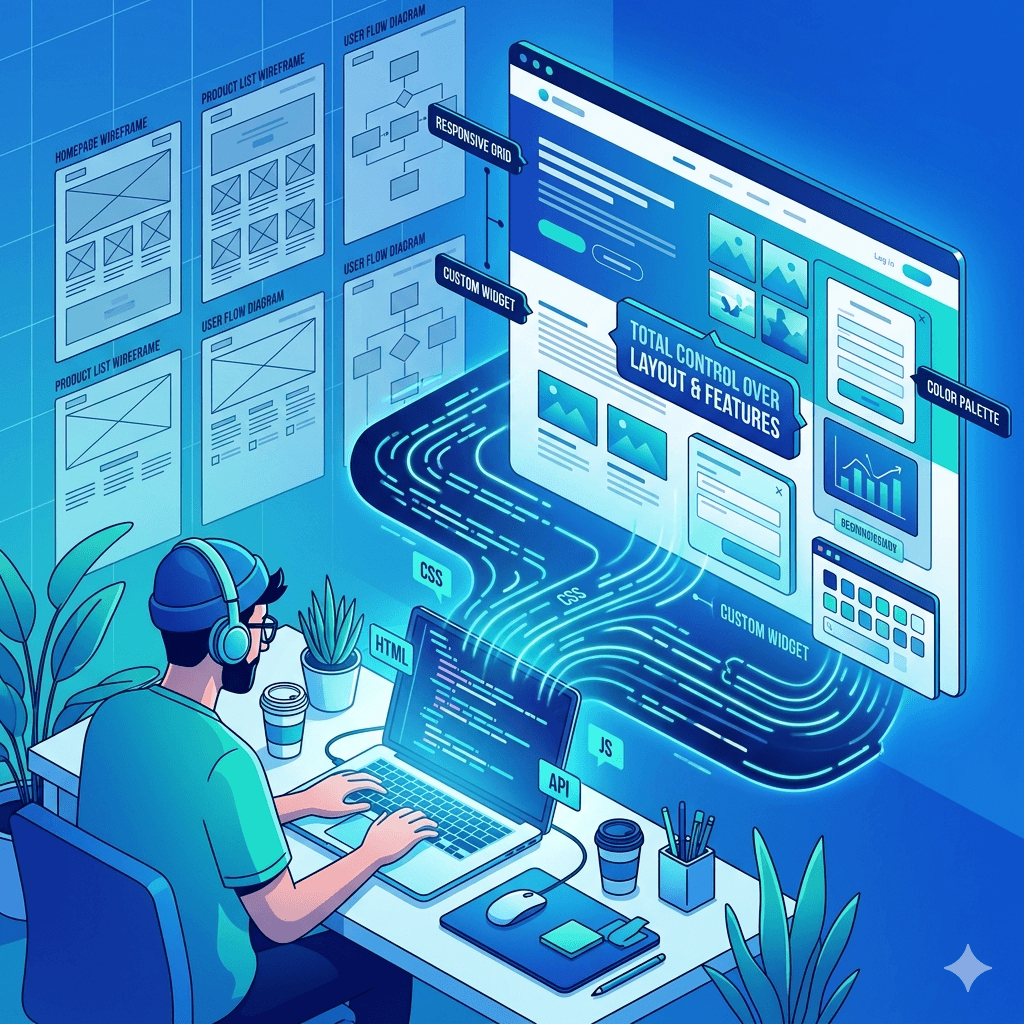
Custom website design means hiring a professional web designer or development team to build a website specifically for your business from scratch. There are no templates or pre-built frameworks to limit what you can create. Every element, from the layout to the color scheme to the database structure, is designed to meet your exact needs.
Custom websites are often built using technologies like HTML, CSS, JavaScript, PHP, or frameworks like React or Laravel. The process usually involves a discovery phase, wireframing, design mockups, development, testing, and finally launch.
This approach gives you complete control over how your website looks, performs, and grows. It also means you are not locked into any platform’s rules or pricing structure.
Custom design is typically the most expensive option upfront, but for businesses with specific needs, complex workflows, or ambitious growth plans, it can be the most cost-effective long-term investment. Many web design services in Uganda offer this kind of tailored development at competitive rates.
Key Differences Between Wix, WordPress, and Custom Design
At a glance, these three platforms might seem to do the same thing, but they are actually quite different animals.
Wix is a closed, all-in-one platform. Everything, including hosting, design tools, and updates, lives inside Wix’s ecosystem. You do not own the platform; you rent space on it. That is convenient, but it limits how far you can take your site.
WordPress is open-source and self-hosted. You own your data and your website. You can move it to any host, customize it endlessly, and scale it however you need. But that freedom means you are also responsible for security, updates, and maintenance.
Custom design sits in its own category entirely. You are not using anyone else’s platform. You own 100% of everything, and the site is built exactly to your specifications. The trade-off is time and cost.
Here is a simple comparison:
• Ease of Use: Wix wins for beginners, WordPress is moderate, custom design requires professionals
• Cost: Wix has low entry cost, WordPress is moderate, custom design has higher upfront cost
• Flexibility: Custom design wins, followed by WordPress, then Wix
• Ownership: WordPress and custom design give full ownership; Wix does not
• Scalability: Custom design and WordPress scale better than Wix
Pros and Cons of Wix
Advantages of Wix
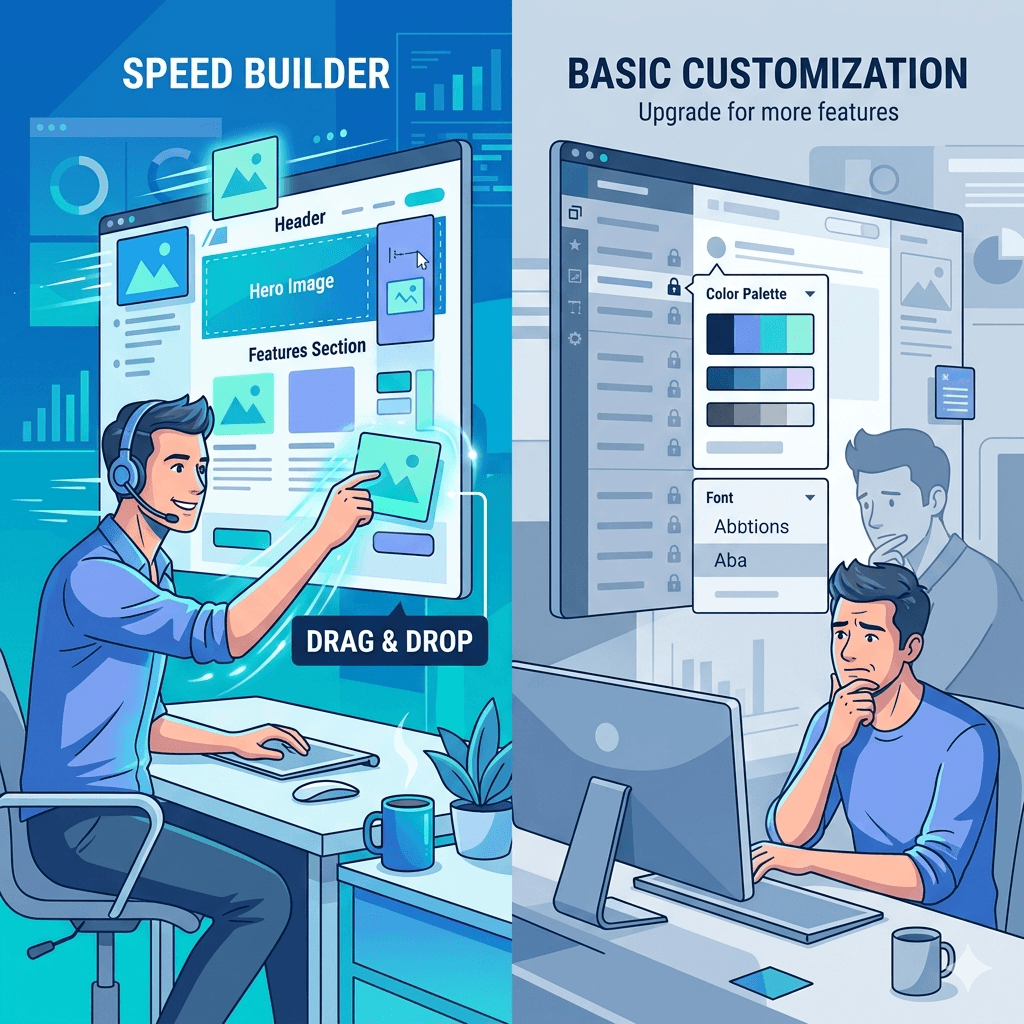
The biggest advantage of Wix is how fast you can go from zero to a live website. You do not need any technical skills. The drag-and-drop editor is intuitive, and hundreds of professionally designed templates mean your site can look great without any design experience.
Wix also handles all the behind-the-scenes work. Hosting, SSL certificates, automatic updates, and security patches all happen without you lifting a finger. For someone running a business and juggling ten other tasks, that is a huge relief.
Other advantages include:
• Built-in tools for bookings, eCommerce, blogging, and contact forms
• A large library of apps through the Wix App Market
• 24/7 customer support
• No coding required at any stage
• Free plan available for testing before committing
Limitations of Wix
The trade-off for all that convenience is limited control. Once you pick a template on Wix, you cannot switch to a different one without rebuilding your site. That is a frustrating constraint as your brand evolves.
Wix also struggles with advanced SEO compared to WordPress. While it covers the basics, serious search engine optimization requires more control than Wix allows. Page speed can also be an issue, especially in Uganda where internet bandwidth is often limited.
Additionally:
• Your site is locked into Wix’s platform. You cannot migrate it elsewhere easily
• The free plan includes Wix-branded ads on your site
• Wix pricing can add up when you add premium apps
• Not ideal for large, complex websites
Pros and Cons of WordPress
Advantages of WordPress
WordPress gives you power and flexibility that Wix simply cannot match. Because it is open-source, there is a massive global community of developers building themes, plugins, and tutorials for it. Whatever feature you need, there is almost certainly a plugin that does it.
From an SEO perspective, WordPress is superior. Plugins like Yoast SEO and Rank Math give you detailed control over how your site appears in search results, which is critical if you want customers in Uganda to find you on Google.
Other advantages include:
• Full ownership of your website and data
• Thousands of free and premium themes to choose from
• Highly scalable, from a simple blog to a large eCommerce store
• Better long-term SEO capabilities
• Large developer community for support and customization
Limitations of WordPress
WordPress requires more technical involvement. You need to manage your own hosting, handle software updates, and keep plugins up to date. Security is also your responsibility, which is why practices like regular WordPress backup are essential. Neglecting these things can leave your site vulnerable to hacks or crashes.
Other limitations include:
• Steeper learning curve for complete beginners
• Costs can add up when purchasing premium themes, plugins, and hosting
• Plugin conflicts can sometimes break your site
• Ongoing maintenance is your responsibility
Pros and Cons of Custom Website Design
Advantages of Custom Design
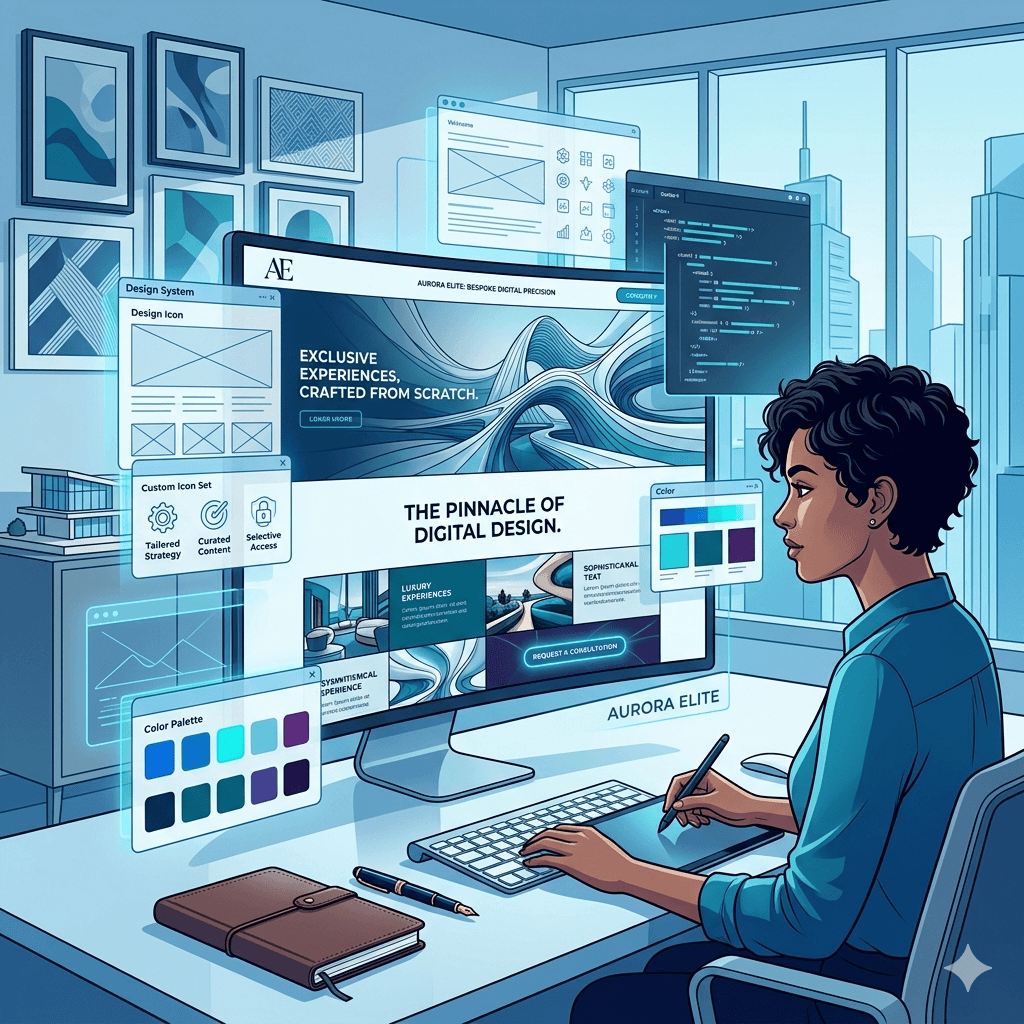
A custom-built website is like having a suit tailored specifically for your body. It fits perfectly because it was made for you. Nothing is borrowed, templated, or compromised.
Custom websites load faster because the code is lean and purpose-built. There is no bloated theme code or unused plugin features slowing things down. For businesses in Uganda where internet speed matters, this performance advantage is significant.
Other advantages include:
• Complete creative and functional control
• Unique design that stands out from template-based competitors
• Built to your exact business processes and workflows
• Better performance and faster loading speeds
• No platform dependency or lock-in
• Scales precisely as your business grows
Limitations of Custom Design
The most obvious limitation is cost. A custom website requires hiring designers and developers, which means a higher upfront investment compared to Wix or WordPress. It also takes more time, often weeks or months, before your site is live.
Other limitations include:
• You depend on the development team for major changes
• Ongoing costs for maintenance, updates, and support
• Not practical for businesses that need a site up within days
• Requires a clear brief and good communication with your team
Cost Comparison in Uganda
Initial Setup Costs
Understanding the true website cost in Uganda means looking beyond the advertised price.
Wix: A free plan exists but is very limited. Paid plans start at around $17 per month (roughly UGX 63,000). Business plans with full eCommerce features start at $36 per month or more.
WordPress: The software itself is free, but you need to pay for hosting. Good hosting in Uganda typically costs between UGX 50,000 and UGX 200,000 per month. A premium theme might add another UGX 150,000 to UGX 500,000. Add a domain, and your initial setup might run between UGX 300,000 and UGX 1,500,000.
Custom Design: This varies widely based on complexity. Simple brochure websites built by Kampala web designers might cost between UGX 1,500,000 and UGX 5,000,000. Complex eCommerce or business systems can reach UGX 10,000,000 to UGX 30,000,000 or more.
Ongoing Maintenance Costs
Wix ongoing costs are predictable. You pay your monthly subscription and that is mostly it. Hosting, security, and updates are included.
WordPress ongoing costs include hosting renewals, domain renewals, plugin license renewals, and the time or money to keep things updated and secure.
Custom website ongoing costs typically include hosting, domain renewal, and retainer or ad-hoc fees for any updates or fixes your developer handles.
Hidden Costs to Consider
With Wix, hidden costs often come from premium apps in the Wix App Market. Each app adds to your monthly bill. With WordPress, costs can creep up through premium plugin renewals, security tools, and backup services. With custom websites, rushing the project or poor planning often leads to extra development hours and increased costs.
The honest truth is that no platform is truly cheap if you want it done right. Budget for quality, not just the lowest price.
Ease of Use and Learning Curve
Beginner Friendliness
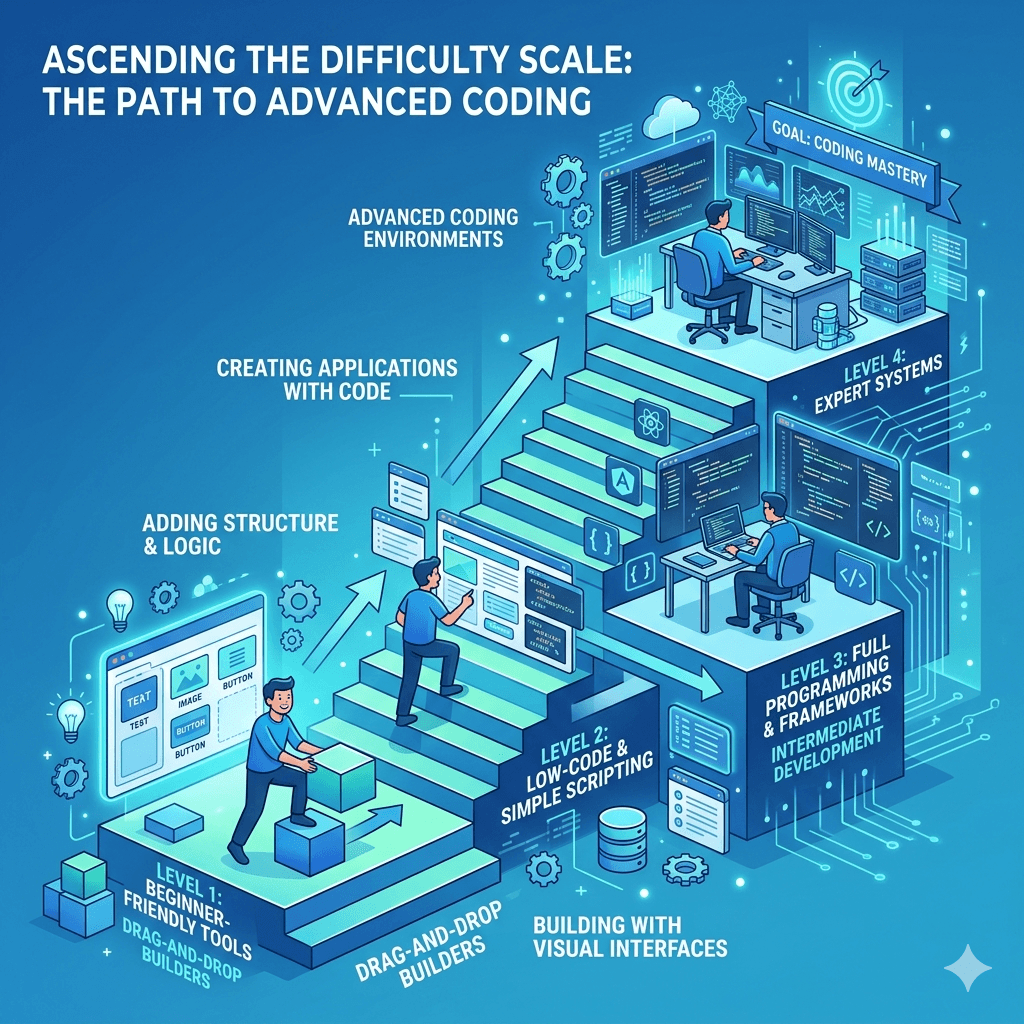
Wix is the clear winner for absolute beginners. You can have a functional website live in a few hours with no prior experience. The interface is visual and intuitive. If you can drag a file into a folder on your computer, you can use Wix.
WordPress has a moderate learning curve. Setting up hosting, installing WordPress, choosing a theme, and installing plugins takes more effort. But once you get past that initial setup, it becomes much easier to manage. Thousands of video tutorials and guides make the learning process accessible even without technical training.
Custom design requires no hands-on effort from you during the build process, since professionals handle everything. However, you need strong communication skills to convey your vision clearly to the team.
Technical Skills Required
Wix requires zero technical skills to get started. WordPress requires basic technical understanding but no coding. Custom design is handled entirely by developers, so technical skills are not required from the business owner, only clear communication and decision-making.
Design Flexibility and Customization
Design flexibility is where the three options truly separate themselves.
Wix offers hundreds of templates, and you can customize them using the visual editor. However, there are limits to what you can change. The underlying code is not accessible, which means a developer cannot come in and make deep structural changes. What you see in the editor is what you get.
WordPress offers significantly more design flexibility. You can install any theme, modify it with CSS, use page builder tools like Elementor or Beaver Builder, and add virtually any functionality through plugins. With a developer’s help, you can make WordPress look and work almost exactly as you imagine.
Custom design offers unlimited flexibility. Every pixel is intentional. There are no template constraints, no platform limitations, and no workarounds needed. If you can design it, a skilled development team can build it. For businesses in Uganda with strong brand identities or unique workflow requirements, this level of control is invaluable.
SEO and Performance Comparison
Built-in SEO Features
All three platforms support basic SEO practices, but they do so at different levels of depth.
Wix has improved its SEO tools significantly over the years. You can edit meta titles, descriptions, alt text, and URLs. However, it still lacks some of the advanced control that WordPress provides.
WordPress, especially with plugins like Yoast SEO or Rank Math, gives you granular control over every SEO element. Schema markup, canonical tags, XML sitemaps, and breadcrumb navigation are all manageable through free tools. This is why most serious businesses and bloggers choose WordPress when search engine visibility is a priority.
Custom websites can be built with SEO best practices baked in from the very first line of code, which often gives them an edge in performance and structure.
Speed and Performance
Page speed affects both user experience and search rankings. Slow websites lose visitors. In Uganda, where bandwidth can be inconsistent, website speed is not just a technical concern. It is a business concern.
Wix websites can be slow due to the platform’s code structure. Custom design and well-optimized WordPress sites generally perform better, especially when hosted on quality servers with content delivery networks.
Mobile Optimization
All three platforms support responsive web design and mobile-friendly websites. Wix automatically adjusts your layout for mobile, though the result is sometimes imperfect and requires manual tweaking. WordPress themes designed with responsive web design in mind perform well on all screen sizes. Custom websites can be built mobile-first, ensuring flawless performance across devices, which is especially important in Uganda where most users access websites on smartphones.
Best Option for Different Types of Users
Small Business Owners
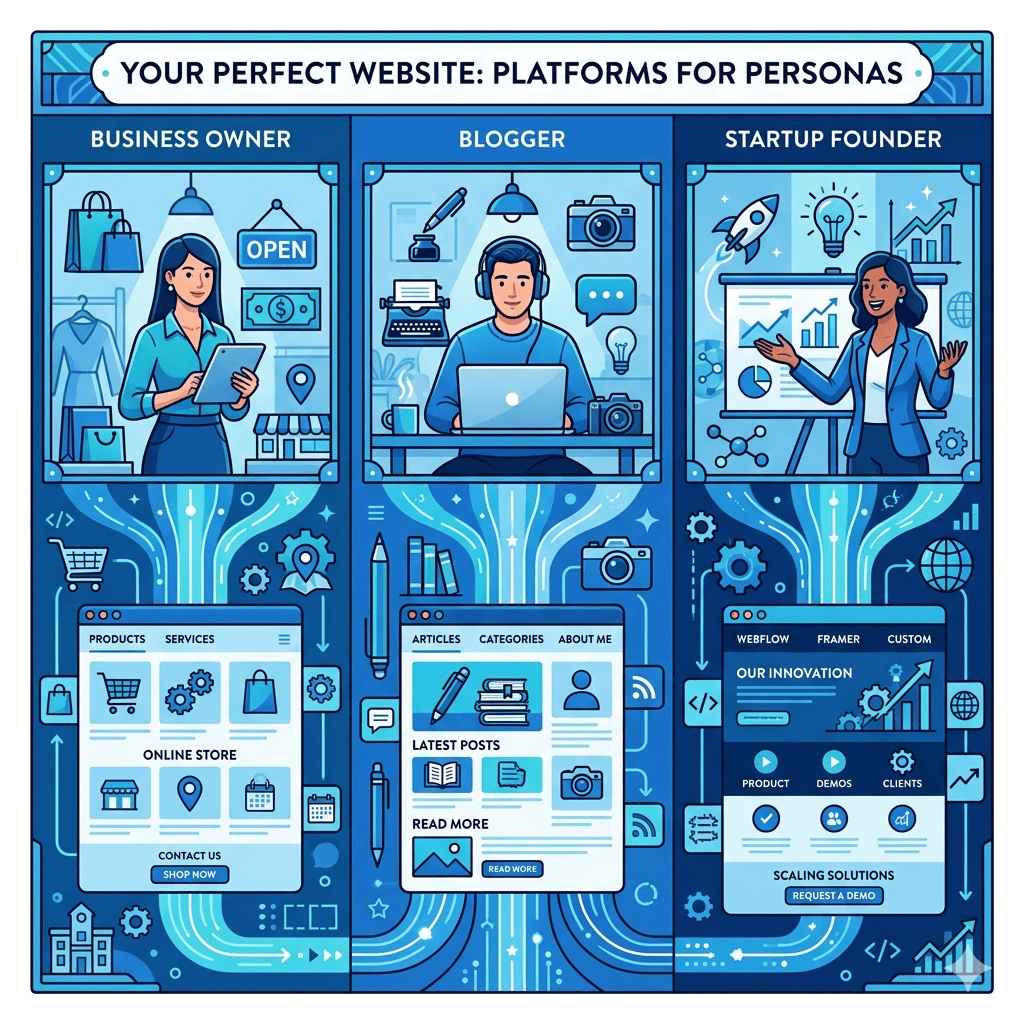
If you own a small business in Uganda and need a clean, professional website without the complexity, Wix or WordPress on a managed hosting plan is a solid starting point. Wix works well for service businesses like salons, restaurants, and retail shops that need simple pages and a booking or contact feature. WordPress suits those who plan to grow and need better SEO capabilities from day one.
Startups and Entrepreneurs
Startups often need speed and flexibility simultaneously. WordPress is a strong choice here because it can grow with your business. If your startup plans to build an online store, comparing the right eCommerce platform options early saves you from costly migrations later. Custom design becomes worth considering when your startup has a product or service that requires a truly unique digital experience to compete.
Bloggers and Content Creators
WordPress was built for content publishing and it remains the best platform for bloggers and content creators. The editorial tools, content scheduling, category and tag systems, and SEO plugins make it ideal for anyone who publishes regularly. Wix can handle simple blogging, but for serious content strategies, WordPress wins every time.
Established Businesses
Established businesses with serious revenue, complex workflows, and long-term digital strategies are usually best served by either a custom website or a heavily customized WordPress build. At this level, investing in quality web design services in Uganda pays dividends in brand perception, performance, and conversion rates. The extra cost is justified by the results.
How to Choose the Right Platform for Your Needs
Define Your Goals
Start by asking yourself what the website needs to do. Is it a digital business card? An online store? A content hub? A booking platform? Different goals point to different platforms. A brochure site is fine on Wix. A content-heavy blog is better on WordPress. A complex store or application benefits from custom development.
Set Your Budget
Be honest about what you can afford both upfront and on an ongoing basis. Wix has the lowest barrier to entry but recurring monthly fees. WordPress has moderate setup costs with ongoing hosting and maintenance. Custom design has higher upfront investment but can be the most cost-efficient over a five-year horizon for growing businesses.
Consider Your Technical Skills
If you have no technical background and no plans to hire a developer, Wix is the safest bet. If you are willing to learn or have a tech-savvy team member, WordPress offers far more reward for the effort. If you want to focus entirely on running your business and let experts handle the website, partnering with a reliable web design company in Uganda for a custom build makes the most sense.
Think Long-Term
Whatever platform you choose today, think about where your business will be in three to five years. Switching platforms later is possible but painful. Choose something that grows with you rather than something you outgrow quickly. If you need help evaluating your options, working with an experienced web design company in Uganda can save you time, money, and frustration in the long run.
Common Mistakes to Avoid
Choosing Based Only on Price
The cheapest option today can become the most expensive option tomorrow. Choosing Wix because the free plan is available, then realizing you need features that require upgrades and add-ons, often costs more than a well-planned WordPress site from the start. Always calculate total cost of ownership, not just the entry price.
Ignoring Scalability
Your website needs to grow with your business. A platform that works perfectly for 100 visitors a month may buckle under 10,000. Choose a scalable website solution from the beginning, especially if you have growth ambitions. Rebuilding your site from scratch in two years is a costly and disruptive mistake many Uganda businesses make.
Overlooking SEO and Performance
Many business owners focus entirely on how the website looks and forget about how it performs. A beautiful site that loads slowly or ranks nowhere on Google will not generate leads. Before you launch, make sure your chosen platform supports solid SEO-friendly website design, fast load times, and mobile-friendly websites. These are not optional extras. They are baseline requirements for any website that wants to compete online in Uganda today.
Final Verdict: Which Is Right for Uganda?
There is no single answer that works for everyone, but there are clear patterns.
Choose Wix if you are just starting out, have a tight budget, need a simple website quickly, and do not plan to do heavy SEO or complex functionality.
Choose WordPress if you are serious about growing online, need strong SEO capabilities, want to scale your website over time, and are willing to invest a bit more effort or money into setup and maintenance.
Choose custom website design if you have a clear business need that templates cannot meet, want a website that truly represents your brand, have a bigger budget, or are running an established business that requires a competitive digital edge.
For most small business owners and entrepreneurs in Uganda, WordPress is the sweet spot. It offers the best balance of flexibility, cost, SEO, and long-term scalability. But whatever you choose, building your website with intention and a clear strategy will always beat picking randomly and hoping for the best.
Frequently Asked Questions
Is Wix good for small businesses in Uganda?
Yes, Wix is a solid option for small businesses in Uganda that need a simple, attractive website without technical complexity. It works well for service businesses, local shops, and solo entrepreneurs. However, if SEO and long-term growth are priorities, WordPress may serve you better.
Is WordPress better than Wix for SEO?
Yes. WordPress gives you significantly more control over SEO elements, especially when combined with plugins like Yoast or Rank Math. For businesses that rely on organic search traffic in Uganda, WordPress is the stronger choice.
How much does it cost to build a website in Uganda?
Costs vary widely. A basic Wix website might cost UGX 50,000 to UGX 200,000 per month depending on your plan. A WordPress website setup can range from UGX 300,000 to UGX 1,500,000 initially, with ongoing hosting fees. Custom websites start from UGX 1,500,000 and can go much higher depending on complexity.
Do I need coding skills for WordPress or Wix?
No. Wix requires zero coding. WordPress requires no coding for basic setups, especially when using page builders like Elementor. Coding becomes helpful when you need advanced customizations, but most everyday tasks can be done without writing a single line of code.
When should I choose custom website design?
Choose custom design when your business has unique requirements that templates cannot meet, when brand differentiation is critical, when you need specific integrations with business systems, or when you are an established business investing in a serious digital presence.
Which platform is best for eCommerce in Uganda?
WordPress with WooCommerce is the most popular and powerful eCommerce solution for Uganda businesses at most price points. Wix also supports online stores but with more limitations. Custom eCommerce solutions make sense for high-volume or complex online businesses.
Can I switch platforms later?
Yes, but it is not easy. Moving from Wix to WordPress, for example, requires rebuilding your site almost entirely since Wix does not allow direct data export. Moving between WordPress and custom design is more manageable. The safest approach is to choose the right platform from the start.
Which option is fastest to launch?
Wix is the fastest option. You can have a basic website live within a single day. WordPress typically takes a few days to a couple of weeks, depending on the setup. Custom website design takes the longest, usually several weeks to a few months, depending on the project scope.